


The season of the Bear
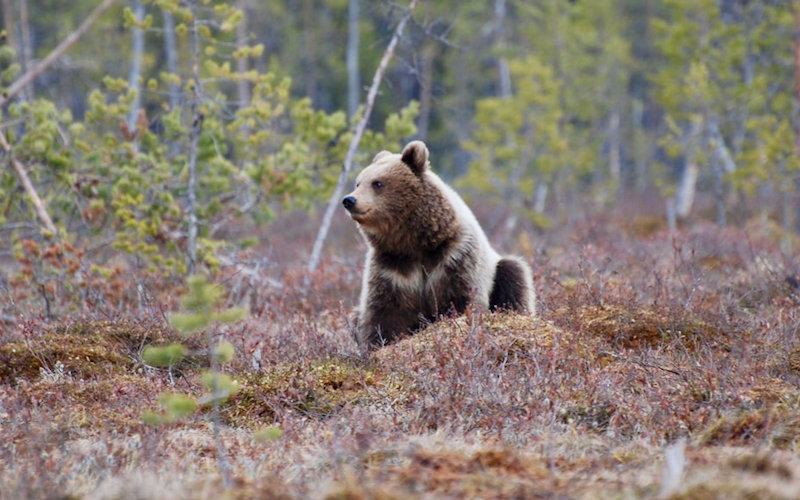
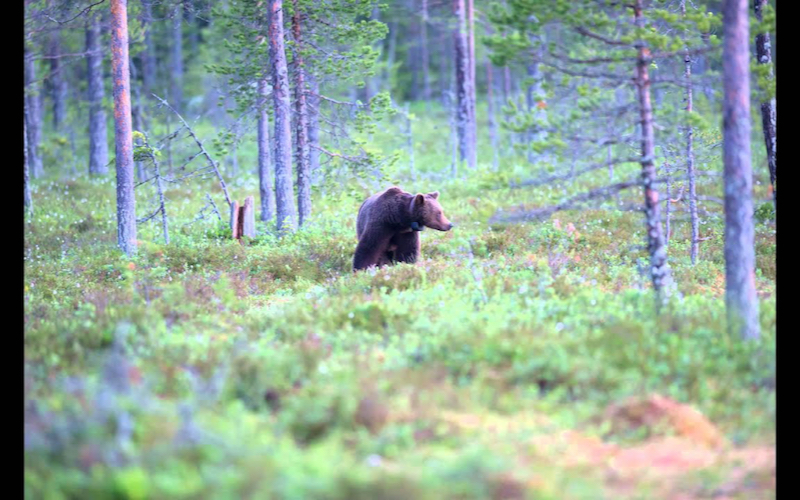
Sweden’s largest predator is the brown bear, ursus arctos in Latin. None of the other animals in the Swedish fauna have as many stories told about them, so many nicknames – and are so feared. Even today, many people are afraid of encountering a bear in the forest. April in particular marks Tiburtius Day: the day when the bear wakes up from its long rest and wanders out of its den.
Our brown bear
The Scandinavian brown bear is found in the central and northern parts of the country. It is also common in Finland and smaller parts of Norway. The bear has a very good sense of smell, sharp ears, but poor vision. Sometimes it stands on its hind legs to see better. It has a large area in the forest which it calls home. It functions like a territory but can overlap with other bears.
The bear has a very good sense of smell, sharp ears, but poor vision.
The bear is an omnivore and likes ants, berries, insects, fruits, but also moose, reindeer, and corpse. During the autumn, it mostly eats only berries, especially blueberries and crowberries – in fact, berries make up half of all its food over a year. This is closely followed by ants, which account for 20%.
In the spring, when it wakes up from hibernation, it usually tries to catch moose or reindeer calves. Forest Samí communities have major problems with bears that can go over large areas in the forest and kill many calves during the calving period. In Dalarna, which is one of Sweden’s densest bear areas, it is estimated that a quarter of all moose calves lose their lives during the spring to the bears.
Bear encounters
Encountering a bear is extremely rare, as they are shy and avoid humans. If trash and food scraps are left out, they may be attracted to it, otherwise they avoid inhabited areas. Research on bear encounters shows none exhibit aggressive behavior and that most bears move away when humans approach. In some cases, the bear lies down or hides until the person has passed by. It is estimated that in 80% of all bear encounters, humans do not notice the animal at all. Bears that have encountered humans become even more vigilant in the following days.
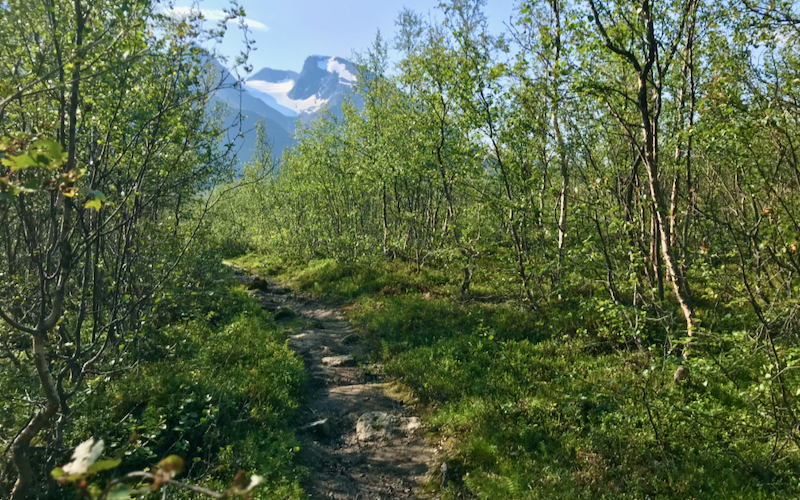
However, there are a handful of reports from the past century of people who have encountered bears and been killed. There are about five cases in all of Scandinavia over a 125-year period. In all cases, the bear had either been shot and wounded, which is absolutely the most dangerous situation, or the person accidentally surprised a female bear with her cubs. Other situations that can become dangerous are if the bear is awakened from its den or provoked by a dog.
Also, sing or make some noise, put a bell on your backpack so that you are heard – bears have excellent hearing and will move away.
If you are still afraid when walking in the forest, avoid the densest forest areas. Also, sing or make some noise, put a bell on your backpack so that you are heard – bears have excellent hearing and will move away. And keep your dog on a leash so it doesn’t provoke the bear!
The bear through history
In Lule Samí, the bear is called Biernna. There are many songs and legends about our largest predator, also within Samí culture. “The bear has a human soul and the strength of nine humans,” wrote Johan Turi in Muitalus sámiid birra. We have all probably hummed the popular Swedish childrens song The bear sleeps, and the old saying Don’t wake the bear that sleeps is still common today. All of these are stories that confirm the bear’s status as a respected and feared figure in the forest.
In the past, the bear was not called by its name, as it was believed to understand everything said to it. Calling the bear by it´s name was dangerous and could attract the bear. Instead, it was given other names: The ugly one, Bog paw, Forest kitty, Big creature, and Naughty neck. Other names have included The brown one, Teddy, and Bamse.
The person who hunted bears was respected, but also feared for their strength.
During the bear hunt, there were many ceremonies and rituals. For example, bear cult, where the entire animal was eaten, sacrificed, and the bones buried in the same way they were in the body. This was believed to allow the bear to return to the earth. The person who hunted bears was respected, but also feared for their strength. There were stories of cases of “bear fever” that could occur during the hunt – when the hunter became petrified and shook with fear.
The bear in the Laponia World Heritage
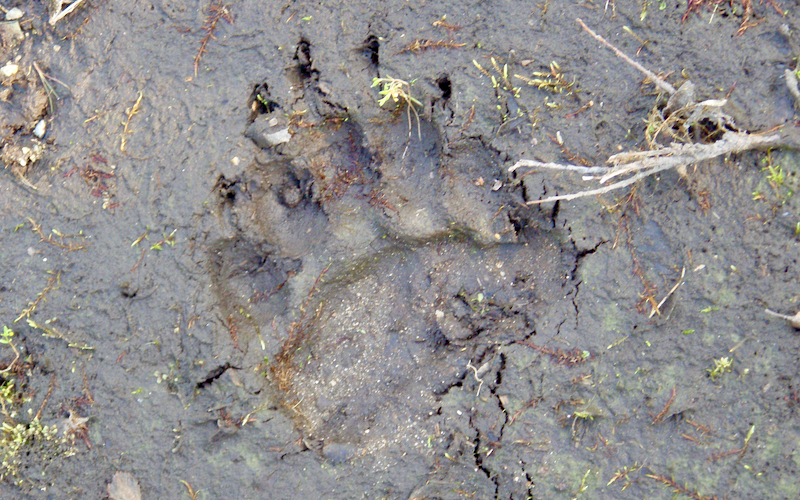
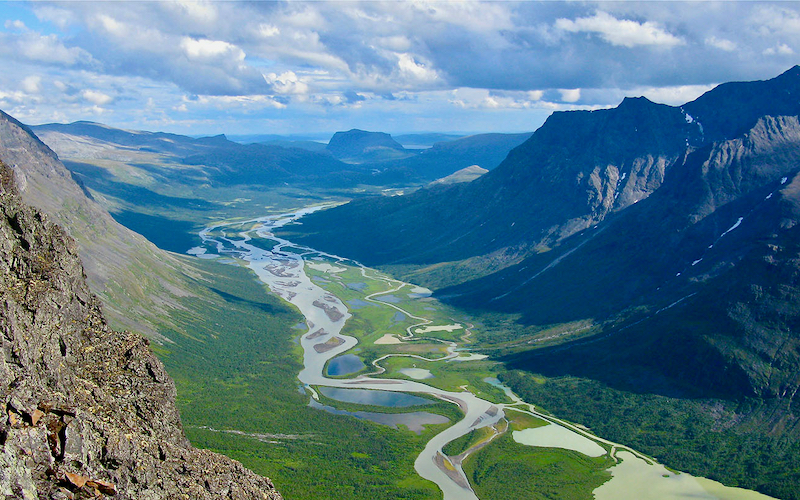
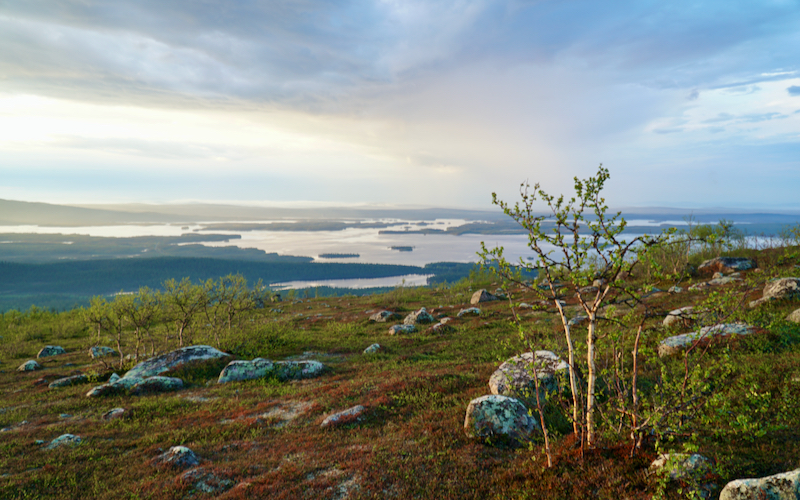
In the Laponia World Heritage, the bear is widespread. It thrives in lush mountain valleys and deep forests. At the predator square, a place in the middle of Sarek National Park, tracks of four predators were found that had been in the same place within a single day in early spring: wolf, wolverine, lynx and bear.
According to Swedish folklore, the bear leaves its den on April 14th, on St. Tiburtius’ Day. In reality, it depends on the winter and the temperature, but it usually happens sometime in April-May. So you might encounter a bear on your next forest walk, but most likely you won’t even notice it.
Text: Cathrin Larsson
Facts Bear
- An adult male bear weighs around 100-350 kg and a female 60-100 kg. The shoulder height can be up to 135 cm.
- A bear in the wild can live approximately 30-40 years.
- In 2023, the bear population in Sweden was estimated to be around 2,450 individuals. It is listed as “near threatened” in Sweden by the World Wildlife Fund.
- A bear can swim and climb well and run very fast for a short distance – up to 60-70 km/h.
- Bears hibernate for half of the year. During this time, they are in deep hibernation and do not eat or drink. The den can be a cave, a hollow near a rock, or a root mound. Bears line the den with moss, twigs, and branches. They usually do not use the same den, but rather dig a new one each year.
- Every other year, the female bear gives birth to cubs, which are born in the den during January. They stay with their mother for 1.5-2.5 years, depending on the cubs’ weight gain.
- The bear was the first predator in Sweden to be protected, in 1913. The protection was lifted during the 1940s when the Swedish bear population was approximately 250-300 individuals. During the 1970s, that number had doubled and continued to grow, until 2007 when we had about 3,300 bears in Sweden. Now, protective hunting and licensed hunting take place.
Links
10 Facts about Brown Bears – FOUR PAWS International – Animal Welfare Organisation
Brown Bear | National Geographic Kids
Bear – Human Interaction, Omnivore, Adaptability | Britannica
Do you have any questions?
Send an email to info@laponiaadventures.com
We are happy to help and will answer you as soon as we can.