


How to spot a moose

If you have ever seen a majestic moose standing and grazing in the wild, you know that the animal takes your breath away – it is that big. The moose is an important part of Sweden’s wildlife, and here in Jokkmokk, north of the arctic circle, we are fortunate to be able to see the large Sarek moose. In Sarek National Park, the moose thrives in the vast, lush Rapavalley. Here it lives protected from hunting. In the winters it wanders down from the mountains and snow in search of food. That is when we go moose watching.
The moose population in Sweden
According to estimates by the Swedish environmental protection agency (Naturvårdsverket), the moose population in Sweden at the end of 2024 was 300,000 animals. Moose have been present in Sweden since the stone age, and the population has both increased and decreased over the years due to human influence. It was nearly extinct at the end of the 18th century when moose hunting was liberalized – previously, only the nobility were allowed to hunt moose. At the beginning of the 20th century, it was also nearly extinct, as well as during times of war when food was scarce. At most, around 500,000 animals were present in Sweden during the 1980s. In addition to hunting, the availability of food and the climate determine how the moose population thrives and survives.
Moose have been present in Sweden since the stone age, and the population has both increased and decreased over the years due to human influence.
The enemies
The moose has many enemies. During the annual moose hunt in Sweden in the autumn, about 60,000-80,000 moose are shot. This is roughly the same number of new moose that are born each spring. The moose hunting causes the animals to move around in the autumn, and it is common for moose to wander into residential areas and gardens to escape the hunt.


Traffic also kills many moose, with around 6,000 moose in wildlife accidents each year. Just as many are taken by predators, as the moose is an important prey animal for both wolves and bears. Especially in the spring, when the bear has woken up from hibernation, it eagerly searches for moose calves. A relatively new threat is climate change. Moose do not thrive in a warmer climate, where even their food disappears during long periods of drought.
A relatively new threat is climate change.
In Sweden, there is often a debate about how large the moose population should be. Hunters want a large and healthy moose population. A large moose population affects the forest though, where they for example feed on new pine forest plantations. Consequently, forestry companies are not fond of moose. The more moose there are, the more wildlife accidents also occur. But a large moose population also feeds our predators, which otherwise tend to attack livestock instead during years a small moose population.
Are there any moose in the forest?
If you want to know if there are any moose in the forest where you live, you can start by looking for hoof prints in the snow. They are large, about 15-20 cm, like two oval half-moons with two dots at the bottom. In reindeer grazing areas, they can be mistaken for reindeer tracks. However, those are more rounded in shape and the stride length is much shorter. Once you have found tracks, look for the moose’s favorite food in winter – pine.


They prefer to eat from clearings with plantations, where they can easily nibble the plants at a suitable height. If they are not standing and grazing, they lie down and chew. Look for a big large dark head with long ears. The ears are large, almost like a rabbit’s ears. Moose are creatures of habit that follow the same trails year after year, which also makes them easier to find.
Searching for the moose
When we go searching for moose in Jokkmokk, we look for the large Sarek moose during their winter grazing period in the forests. We know where their favorite spots and food sources are. The moose from Sarek have lived a protected life, and when we stop carefully and watch from the car, they sometimes stay and curiously look at us. Often we see a solitary bull or a cow with one or two calves from last year. In any case, it is always a wonderful encounter with the most majestic animal in the forest.
Text: Cathrin Larsson
Quick facts about Moose
- The moose is found throughout Sweden, except on the island of Gotland and in the southern region of Skåne. It is found in Northern Europe, North America, and Russia. Already during the middle ages, moose were hunted so heavily in most of Europe that they became extinct.
- A bull moose live about 10 years, while cow moose can live up to 30 years. This largely depends on moose hunting.
- An adult moose weighs 200–550 kg and can reach up to 230 cm at the shoulder. The bulls are on average 20 percent larger than the cows. In winter, a moose can lose up to 20–25 percent of its summer weight.
- Moose calves are born in May and June and follow the cow for almost a year. Before the next calf is to be born, she pushes them away.
- Only the bull moose has antlers. The antlers fall off during autumn, after the mating season, but grow back in the spring. They get bigger and bigger each year and serve as a status symbol.
- An adult moose eats at least about 20 kg of food a day. They prefer buds and leaves from deciduous trees, lingonberry and blueberry bushes, twigs, and various herbs. In the winter, the moose eats pine twigs and buds, which also gives a strong pine flavor to the moose meat.
Links
Facts about Moose — WildSweden – wildlife adventures in Sweden
Would you like to see a Moose?

Searching for the Sarek moose
Follow us on a minibus journey along the road towards the mountain region. This is where you find them, the largest moose in Europe. If we are lucky we will be able to see into Sarek national park part of UNESCO world heritage site Laponia. During the day we’ll serve you a lighter lunch made from local delicatessen.
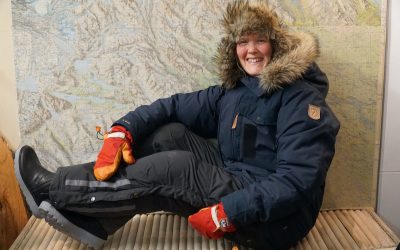
Rent winter clothes and boots
Rent the whole package with jacket, pants, boots, gloves and hats, or just the items you don’t have already.
Do you have any questions?
Send an email to info@laponiaadventures.com
We are happy to help and will answer you as soon as we can.